
SPAY TYPE PT PLANT (AUTO/ MANUAL)

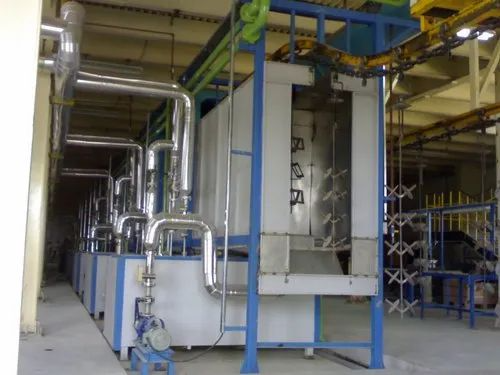
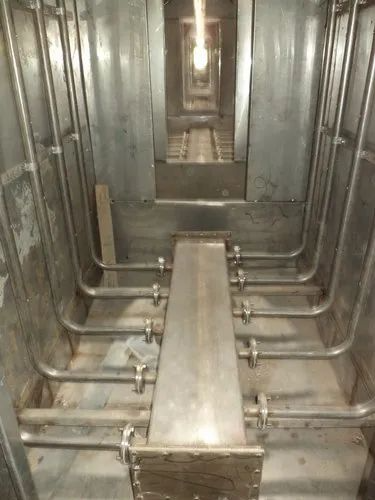
SPAY TYPE PT PLANT (AUTO/ MANUAL)
| Usage/Application | Industrial |
| Material | Stainless Steel |
| Voltage | 220 V |
| Automation Grade | Automatic |
| Brand | GENERAL EQUIPMENT & ENGINEERING |
SPAY TYPE PT PLANT (AUTO/ MANUAL)
A spray type pre-treatment plant is an essential component in industrial coating processes, designed to clean and prepare surfaces before they are painted or coated. Here is a detailed description:
Spray Type Pre-Treatment Plant
A spray type pre-treatment plant is a specialized system used in various manufacturing and finishing industries to prepare metal surfaces for painting or coating. This pre-treatment process ensures that surfaces are clean, free of contaminants, and properly conditioned to receive a finish that adheres well and lasts longer.
# Key Features:
1. Multi-Stage Treatment:
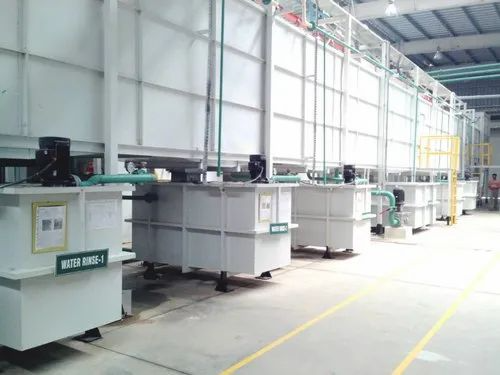
- The plant typically consists of several stages, each dedicated to a specific treatment process. Common stages include degreasing, rinsing, phosphating, passivating, and final rinsing. Each stage uses spray nozzles to apply specific chemicals or water to the surfaces being treated.
2. Spray Chambers:
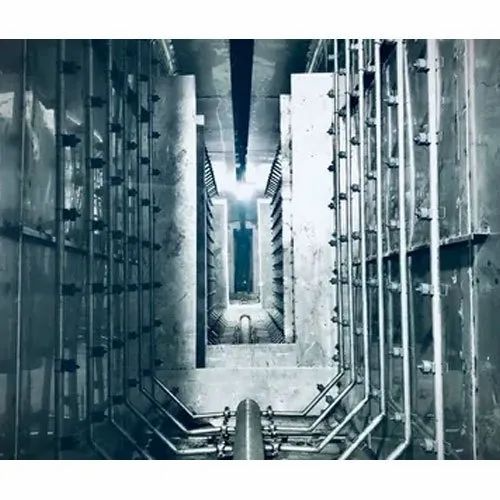
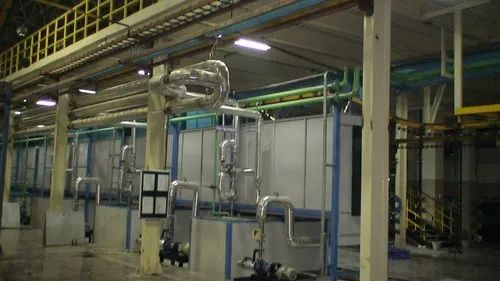
- The plant contains multiple chambers where different treatment solutions are sprayed onto the surfaces. Each chamber is equipped with strategically placed spray nozzles to ensure even and thorough coverage.
3. Conveyor System:
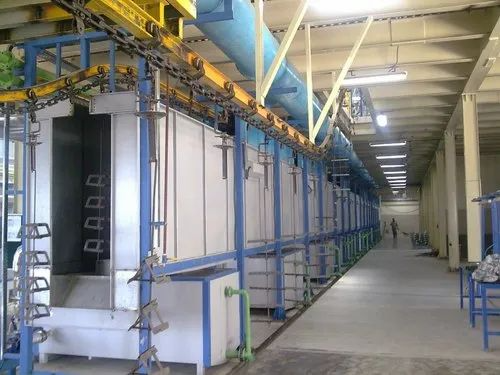
- An automated conveyor system moves parts through each treatment stage. This system ensures consistent processing times and enhances productivity by allowing continuous operation.
4. Chemical Application:
- The pre-treatment plant uses various chemicals to clean and prepare surfaces. Degreasers remove oils and grease, while phosphating agents create a corrosion-resistant layer that improves paint adhesion. The chemicals are chosen based on the type of material being treated and the desired finish quality.
5. Heating Elements:
- Some stages may include heating elements to enhance the effectiveness of the cleaning or phosphating process. Heated solutions can improve reaction rates and provide better results.
6. Rinsing Stages:
- Rinsing stages between chemical applications ensure that any residual chemicals are removed from the surface before the next treatment stage. This step is crucial to prevent contamination and achieve a high-quality finish.
7. Water Treatment and Recycling:
- The plant may include a water treatment and recycling system to manage and recycle water used during the process. This system helps reduce water consumption and minimize environmental impact.
8. Control System:
- A centralized control system monitors and regulates the entire pre-treatment process. This system ensures precise control of spray pressure, chemical concentrations, and processing times for consistent results.
# Applications:
- Automotive Industry: Preparing car bodies and parts for painting.
- Aerospace Industry: Cleaning and conditioning aircraft components.
- Metal Fabrication: Pre-treating metal sheets and parts before powder coating or painting.
- Appliance Manufacturing: Preparing surfaces of household appliances for finishing.
# Benefits:
- Improved Paint Adhesion: Ensures better adhesion of paint or coating, leading to a more durable finish.
- Corrosion Resistance: Enhances the corrosion resistance of metal surfaces, extending the lifespan of the coated product.
- Consistency: Provides uniform treatment across all parts, ensuring consistent quality.
- Efficiency: Automated systems increase productivity and reduce manual labor.
A spray type pre-treatment plant is a vital part of the surface finishing process, ensuring that products receive a high-quality, durable finish that meets industry standards and customer expectations.