
DUST COLLECTOR POWDER
DUST COLLECTOR POWDER
| Brand | GENERAL EQUIPMENT & ENGINEERING |
DUST COLLECTOR POWDER
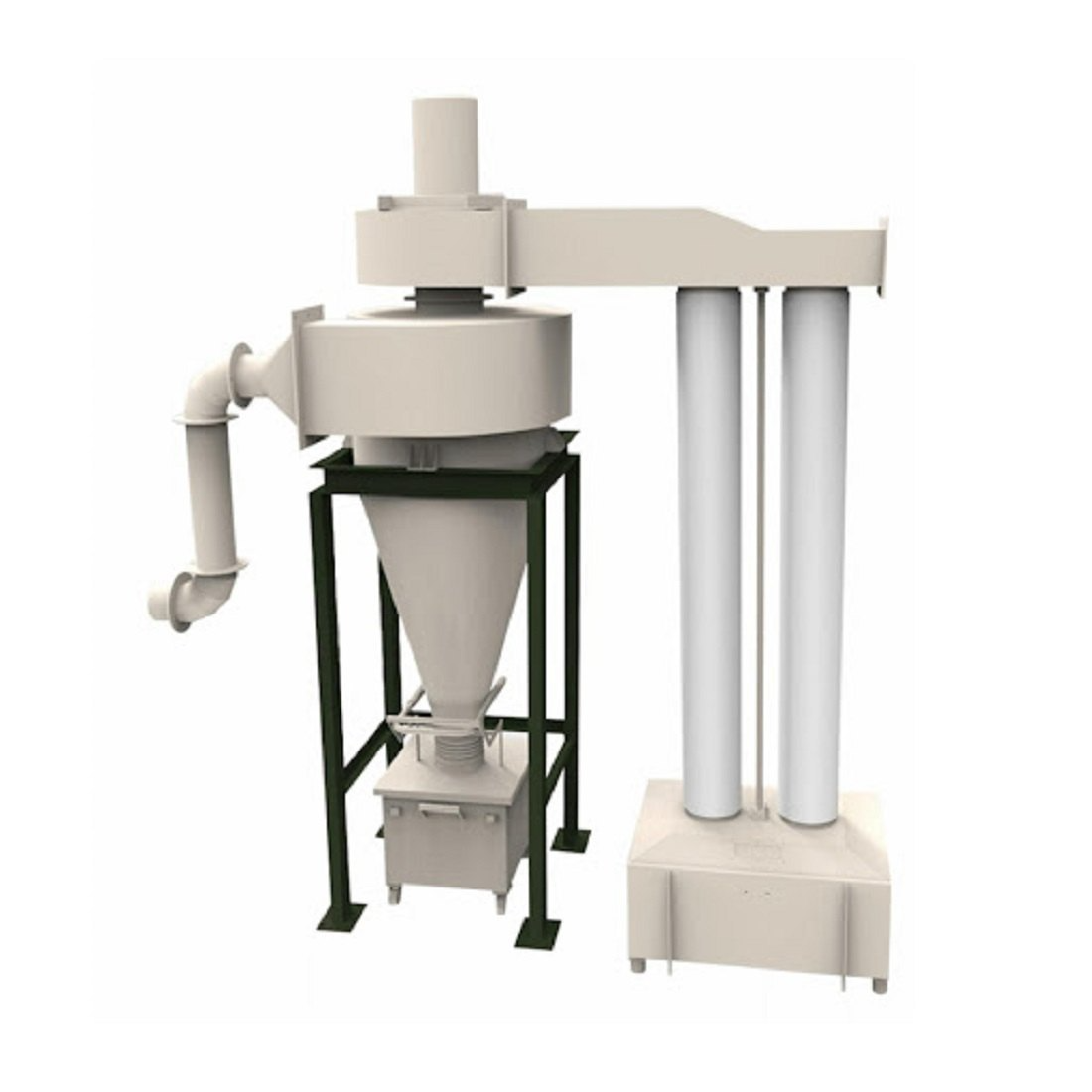
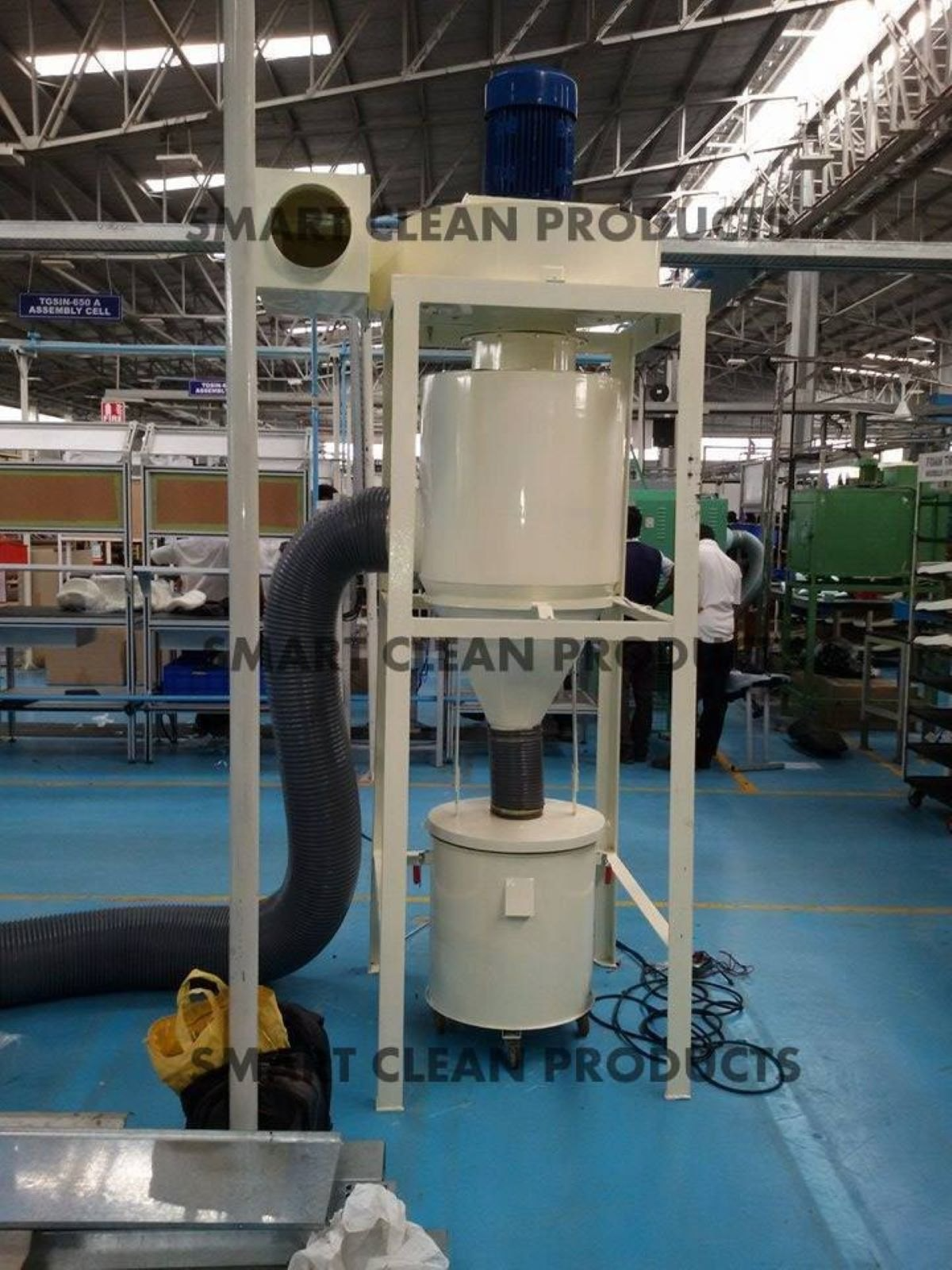
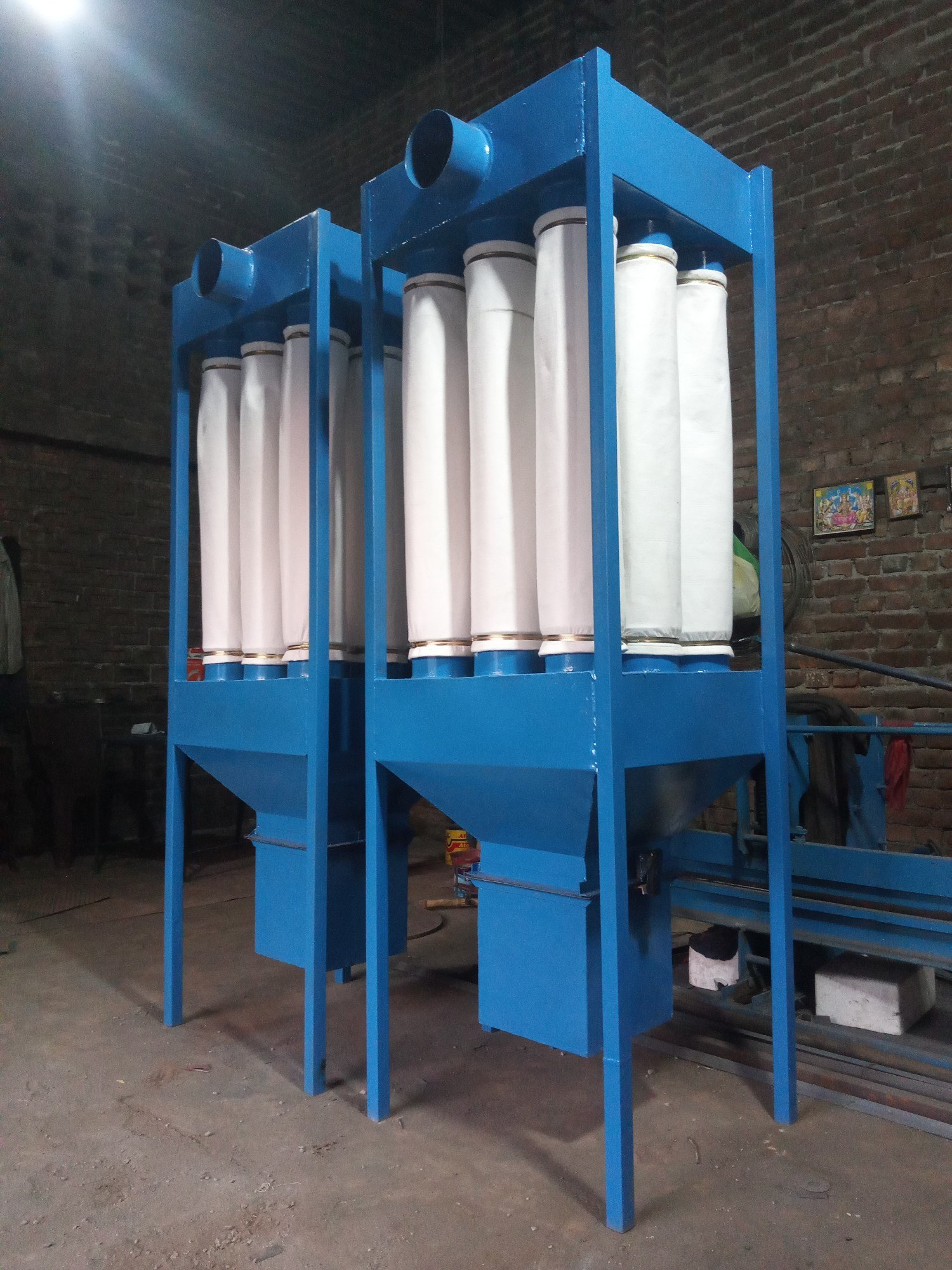
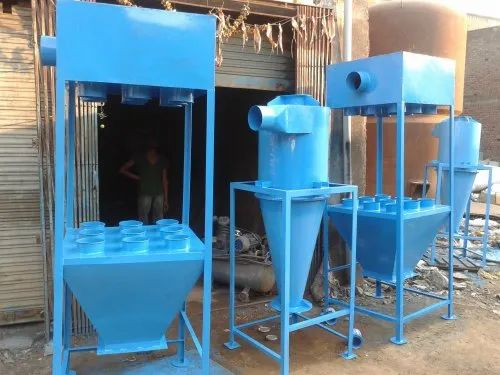
A dust collector for powder applications is designed to handle the fine dust particles and powder that are commonly generated in manufacturing and processing environments. This equipment ensures a cleaner workspace, improves air quality, and protects workers' health by effectively capturing airborne dust and powder.
Key Features:
Filtration System:
Primary Filters: High-efficiency particulate air (HEPA) filters or cartridge filters that capture fine dust particles.
Secondary Filters: Additional filters that provide an extra layer of filtration for finer particles, ensuring that the air released back into the environment is clean.
Airflow Management:
Inlet and Outlet Ducts: Designed to optimize the flow of air through the dust collector, ensuring efficient capture of dust and powder.
Adjustable Airflow Settings: Allows operators to control the airflow rate to suit different dust collection needs.
Collection Mechanism:
Hopper: A bottom-mounted hopper where the collected dust and powder accumulate.
Disposal System: Easy-to-use mechanisms for disposing of collected dust, such as bins or bags that can be removed and replaced.
Automatic Cleaning:
Pulse Jet Cleaning: Automated cleaning of filters using compressed air blasts to maintain efficiency and prevent clogging.
Shaker or Reverse Air Systems: Alternative methods for filter cleaning that use mechanical shaking or reverse airflow.
Construction:
Durable Materials: Made from robust materials such as steel or aluminum to withstand harsh industrial environments.
Corrosion Resistant: Coatings or materials that resist corrosion from fine powders and dust.
Safety Features:
Explosion Venting: For dusts that are combustible, the dust collector may have explosion venting or suppression systems.
Grounding and Bonding: To prevent static buildup which can be a risk with fine powders.
Applications:
Manufacturing: Capturing dust and powder in processes like grinding, sanding, and cutting.
Pharmaceutical: Collecting fine powders during the production of medicines and supplements.
Food Processing: Managing dust from ingredients and additives.
Chemical Industry: Controlling airborne particles in the handling and processing of chemicals.
Benefits:
Improved Air Quality: Ensures a safer and healthier working environment by reducing airborne dust and powder.
Compliance: Helps industries comply with health and safety regulations regarding air quality and dust management.
Efficiency: Reduces maintenance and downtime by keeping machinery and workspaces clean.
Protection: Safeguards equipment from dust-related damage and extends its operational life.
In summary, a dust collector for powder applications is a crucial component in maintaining clean and safe industrial environments, providing effective filtration, efficient dust collection, and compliance with regulatory standards.