
CURING OVEN
CURING OVEN
| Brand | GENERAL EQUIPMENT & ENGINEERING |
CURING OVEN
Key Features of Curing Ovens
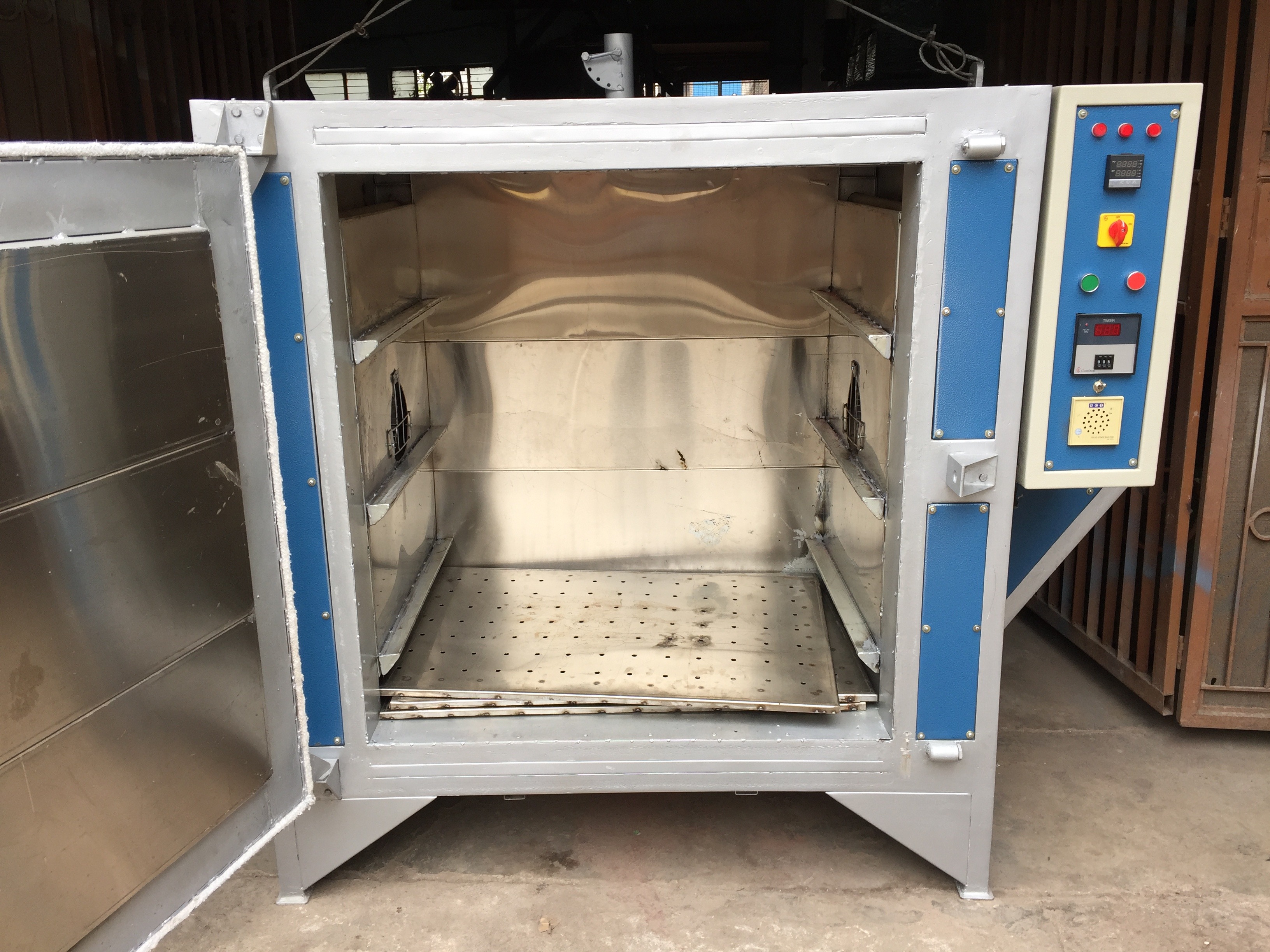
Temperature Control: Precise temperature control is critical in curing ovens to ensure that the material is cured uniformly and to the desired specifications. These ovens typically have advanced temperature control systems.
Uniform Heat Distribution: Curing ovens are designed to distribute heat evenly throughout the chamber to prevent hot spots and ensure consistent curing. This is often achieved through the use of fans, blowers, or other air circulation mechanisms.
Construction: They are usually constructed from
durable materials that can withstand high temperatures and the rigors of industrial use. The interior is often lined with materials that provide good thermal insulation.
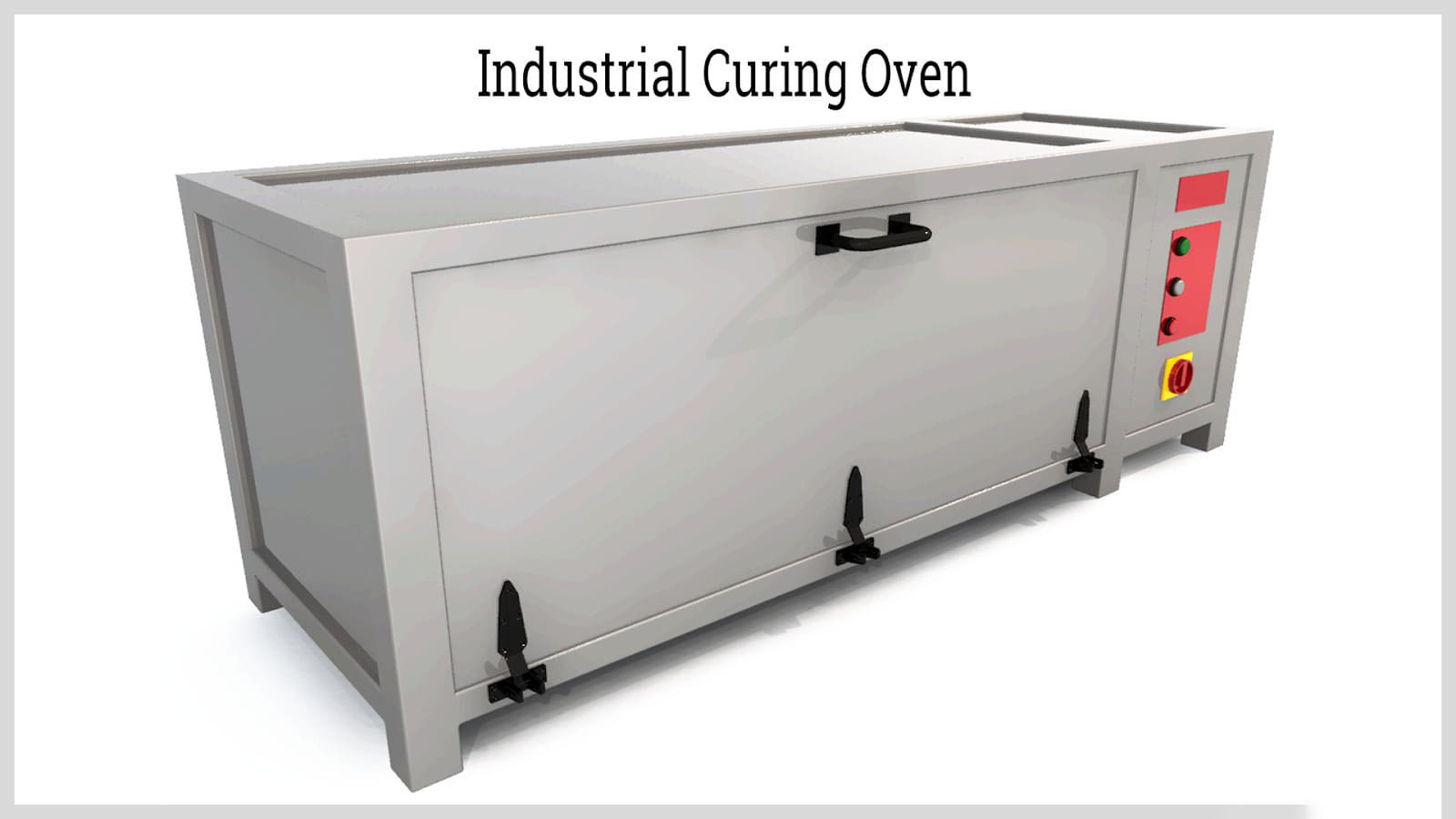
Size and Capacity: Curing ovens come in various sizes, from small bench-top units for laboratory use to large walk-in or conveyorized systems for high-volume industrial applications.
Heating Methods: These ovens can use different heating methods such as electric, gas, or infrared. The choice of heating method depends on the specific application and the materials being cured.
Safety Features: Safety is a key consideration in the design of curing ovens. They are typically equipped with features such as over-temperature protection, emergency shut-off systems, and safety interlocks.
Applications of Curing Ovens
Powder Coating: In the powder coating process, curing ovens are used to melt and cure the powder into a smooth, durable finish.
Composite Materials: Used in the aerospace and automotive industries to cure composite materials and ensure they achieve the required strength and durability.
Electronics: In the electronics industry, curing ovens are used for processes such as curing epoxy resins and other adhesives used in circuit boards and other components.
Rubber and Plastics: Used to cure rubber and plastic products to improve their properties like elasticity and resistance to wear.
Types of Curing Ovens
Batch Ovens: Ideal for low to medium volume production, where items are loaded in batches. They allow for a high degree of flexibility in processing different parts.
Conveyor Ovens: Suitable for high-volume continuous processing. Parts are moved through the oven on a conveyor belt, providing consistent and efficient curing.
Walk-In Ovens: Large ovens designed for curing large parts or assemblies. They are often used in industries such as aerospace for curing large composite structures.
Curing ovens are essential in ensuring the performance and longevity of various materials and products by providing a controlled environment for the curing process.