
AUTOMOTIVE PAINT BOOTH
AUTOMOTIVE PAINT BOOTH
| Brand | GENERAL EQUIPMENT & ENGINEERING |
AUTOMOTIVE PAINT BOOTH
An automotive paint booth is a specialized enclosure used in the automotive industry for applying paint to vehicles and automotive parts. Here's a description:
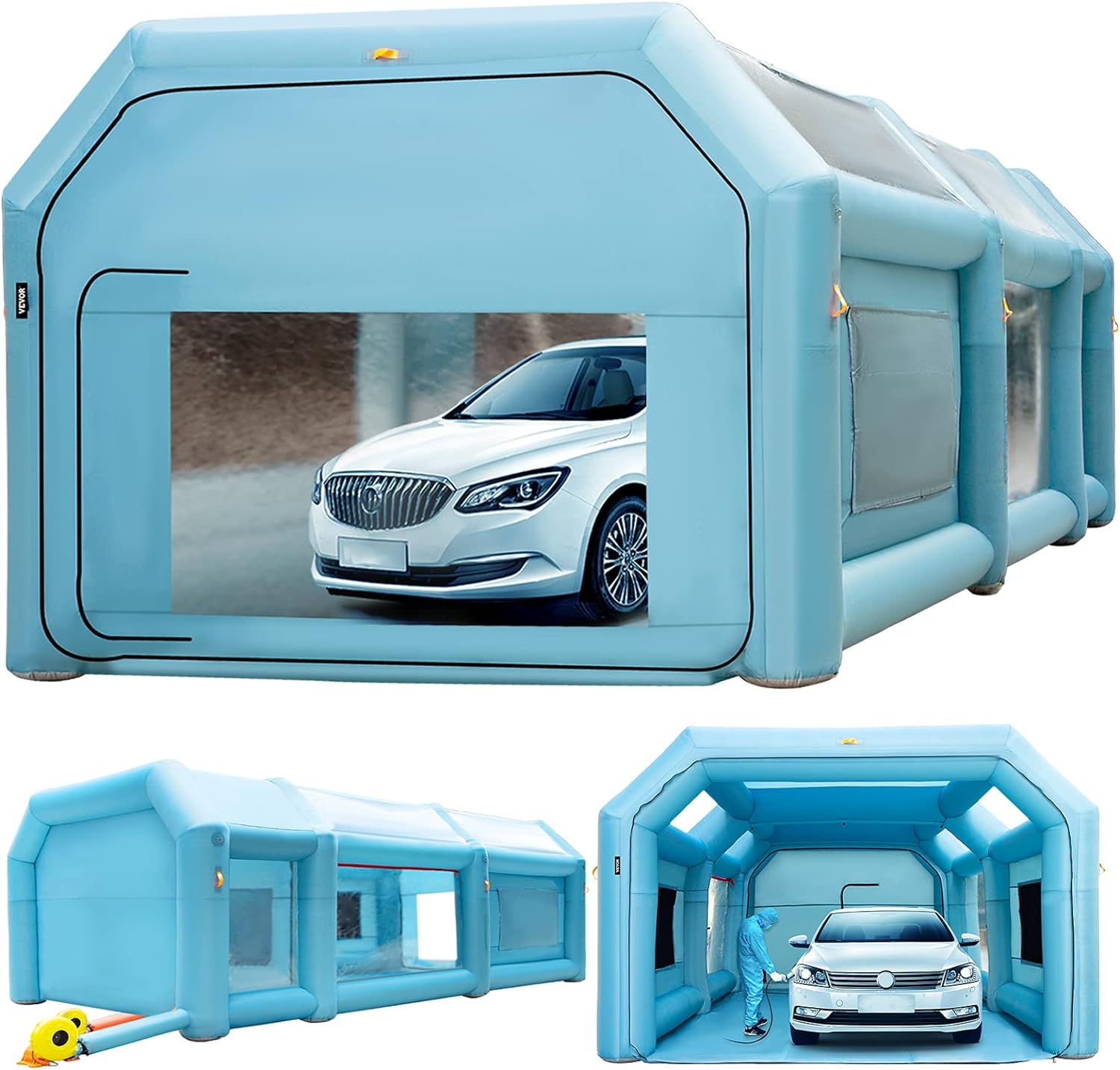
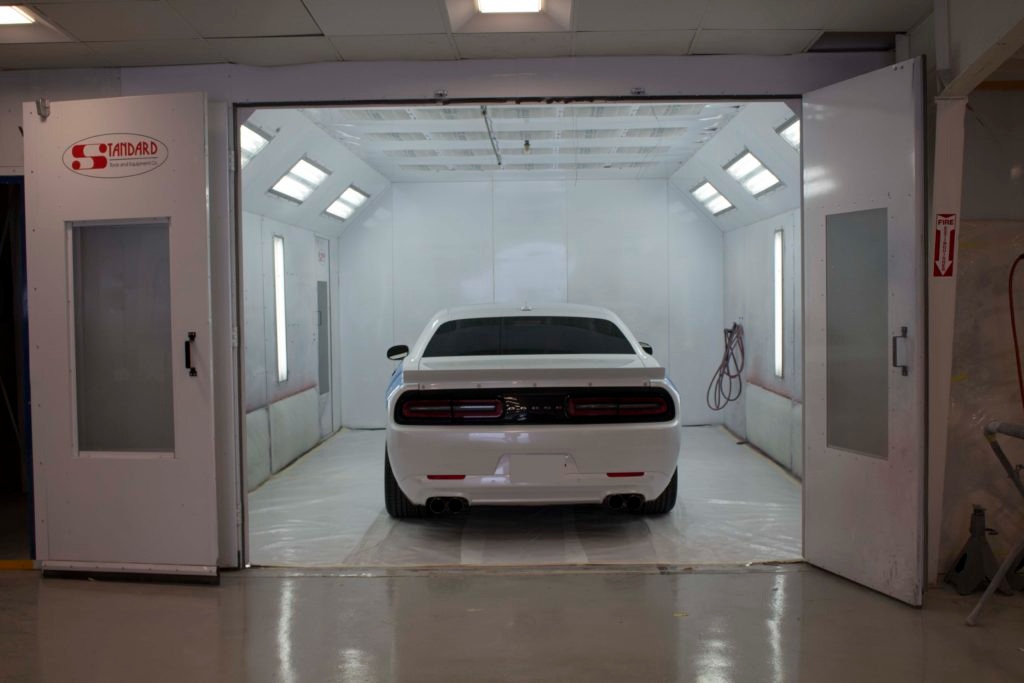
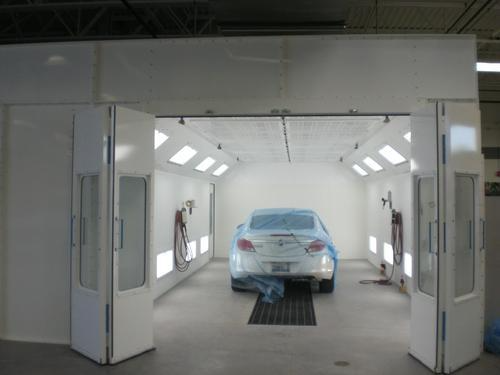
An automotive paint booth is a controlled environment designed to provide optimal conditions for painting vehicles and automotive components. It typically consists of a fully enclosed structure made of durable materials that can withstand the chemicals and solvents used in automotive paints. The booth is equipped with ventilation systems that draw in clean, filtered air and exhaust fumes and overspray to create a safe and clean workspace.
Key features of an automotive paint booth include:
1. Ventilation System: This includes intake filters to capture airborne particles and contaminants before they enter the booth, ensuring clean air for painting. Exhaust systems remove overspray and fumes to maintain air quality inside the booth.
2. Lighting: Bright, evenly distributed lighting is essential for painters to accurately see the surfaces they are painting. Automotive paint booths often have specialized lighting systems designed to minimize shadows and provide consistent illumination.
3. Temperature and Humidity Control: Some automotive paint booths include temperature and humidity control systems to create an optimal environment for paint application and curing. These systems help ensure paint adhesion and reduce drying times.
4. Safety Features: Automotive paint booths are equipped with safety features such as fire suppression systems, explosion-proof lighting, and alarms to protect workers and the facility from potential hazards associated with paint application.
5. Size and Configuration: Automotive paint booths come in various sizes and configurations to accommodate different types of vehicles, from small cars to large trucks or buses. They may feature drive-in capabilities for ease of access and painting larger vehicles.
Automotive paint booths are crucial in ensuring high-quality paint finishes, reducing paint wastage, and complying with environmental regulations regarding paint emissions. They are used in automotive repair shops, car manufacturing facilities, and other settings where precise and efficient paint application is required.